
Reduce Food Waste with Customized Meal Plans

Food waste is a pressing issue that affects not only our environment but also our wallets. In fact, according to the Food and Agriculture Organization (FAO), approximately one-third of all food produced globally is wasted. This staggering statistic highlights the need for effective strategies to minimize waste, and one of the most effective methods is through customized meal plans. By tailoring meal plans to individual needs and preferences, we can significantly reduce food waste while enjoying delicious and nutritious meals.
Understanding Food Waste
Before diving into the benefits of customized meal plans, it’s essential to understand what food waste is and why it matters. Food waste occurs at various stages of the food supply chain, from production and processing to retail and consumption. Here are some key points to consider:
Environmental Impact: Food waste contributes to greenhouse gas emissions, as decomposing food in landfills releases methane, a potent greenhouse gas. Reducing food waste can help mitigate climate change.
Economic Costs: Wasting food is equivalent to wasting money. The average American family of four throws away around $1,500 worth of food each year. Customized meal plans can help families save money by ensuring they only buy what they need.
Social Issues: With millions of people facing hunger, reducing food waste can help redirect surplus food to those in need.
The Role of Customized Meal Plans
Customized meal plans are designed to meet individual dietary needs, preferences, and lifestyles. They take into account factors such as:
Dietary Restrictions: Whether someone is vegetarian, vegan, gluten-free, or has food allergies, customized meal plans can accommodate these needs.
Personal Preferences: Everyone has different tastes. A meal plan can be tailored to include favorite foods while excluding those that are less appealing.
Portion Control: Customized meal plans help in managing portion sizes, reducing the likelihood of leftovers that may go to waste.
Benefits of Customized Meal Plans
Reduction of Food Waste
By planning meals around what you already have at home, you can minimize the chances of buying unnecessary items that may end up being wasted.
For example, if you have leftover chicken from a previous meal, a customized meal plan can incorporate that chicken into a new dish, ensuring it gets used.
Cost Savings
Customized meal plans can help you stick to a budget by preventing impulse purchases and ensuring you only buy what you need.
Consider this: if you plan meals for the week based on what’s on sale at your local grocery store, you can save money while also reducing waste.
Healthier Eating Habits
Tailored meal plans can promote healthier eating by encouraging the inclusion of a variety of fruits, vegetables, and whole grains.
For instance, if you know you need to eat more vegetables, a customized plan can help you incorporate them into every meal.
Convenience
Having a meal plan saves time during the week. You won’t have to wonder what to cook each night, and you can prepare meals in advance.
This is particularly useful for busy families or individuals who may not have time to think about meals daily.
Sustainability
Customized meal plans can promote sustainable eating habits by encouraging the use of seasonal and local ingredients, which are often fresher and have a lower carbon footprint.
For example, planning meals around seasonal produce not only supports local farmers but also reduces the environmental impact associated with transporting food long distances.

How to Create a Customized Meal Plan
Creating a customized meal plan may seem daunting, but it can be broken down into manageable steps. Here’s a simple guide to get you started:
Step 1: Assess Your Needs
Begin by evaluating your dietary needs and preferences. Consider the following:
Do you have any food allergies or intolerances?
Are there specific diets you follow, such as vegetarian or keto?
What are your favorite foods and flavors?
Step 2: Inventory Your Pantry
Take stock of what you already have in your pantry and refrigerator. This will help you avoid buying duplicate items and ensure that you use what you already have.
Step 3: Plan Your Meals
Using your inventory and dietary needs, start planning your meals for the week. Here are some tips:
Balance Your Meals: Aim for a mix of proteins, carbohydrates, and healthy fats in each meal.
Incorporate Leftovers: Plan meals that can use leftovers creatively. For example, if you roast a chicken, use the leftovers in a salad or soup.
Be Realistic: Consider your schedule for the week. If you know you’ll be busy on certain days, plan for quick and easy meals.
Step 4: Create a Shopping List
Once your meals are planned, create a shopping list based on the ingredients you need. Stick to this list to avoid impulse purchases.
Step 5: Prepare in Advance
If possible, prepare meals in advance. This can include chopping vegetables, marinating proteins, or even cooking entire meals that can be reheated later.
Tips for Sticking to Your Meal Plan
Creating a meal plan is just the first step; sticking to it is where the real challenge lies. Here are some strategies to help you stay on track:
Stay Flexible: Life can be unpredictable. If something comes up and you can’t stick to your plan, don’t stress. Adjust as needed.
Keep It Visible: Write your meal plan down and keep it in a visible place, like on your fridge. This serves as a reminder and helps you stay organized.
Involve the Family: Get everyone involved in the meal planning process. This can make it more fun and ensure that everyone is excited about the meals.
Overcoming Common Challenges
Even with a customized meal plan, you may encounter challenges. Here are some common issues and how to address them:
Challenge 1: Lack of Time
If you find yourself short on time, consider batch cooking on weekends. Prepare larger quantities of meals that can be portioned out for the week.
Challenge 2: Boredom with Meals
To avoid meal fatigue, rotate recipes regularly. Try new ingredients or cooking methods to keep things interesting.
Challenge 3: Unforeseen Changes
Sometimes plans change, and you may not be able to cook as intended. Keep some quick and easy meal options on hand, such as frozen vegetables or canned beans, to ensure you can still whip up something nutritious.
The Impact of Technology on Meal Planning
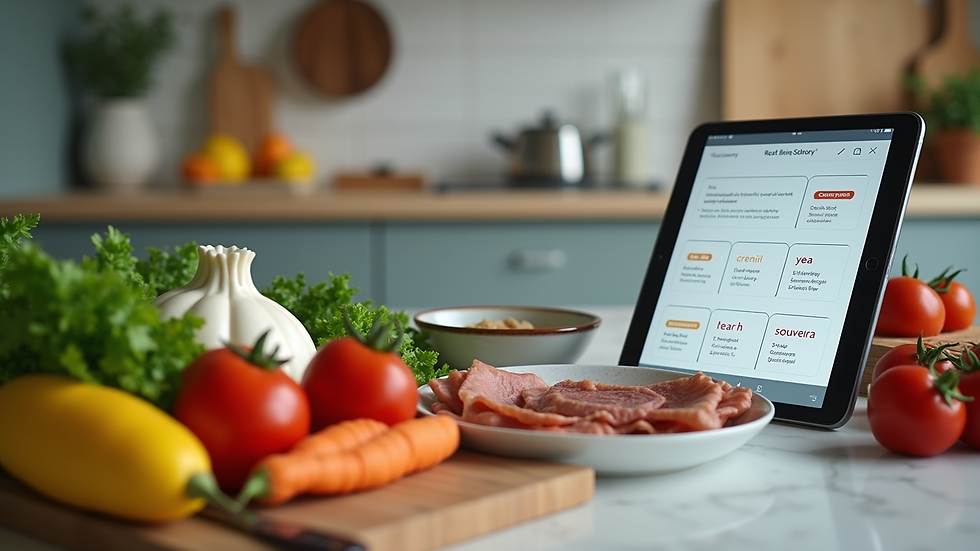
In today’s digital age, technology can play a significant role in meal planning. Various apps and websites can help you create customized meal plans based on your preferences. Some popular options include:
Mealime: This app allows you to create personalized meal plans and generates shopping lists based on your choices.
Paprika: A recipe manager that helps you organize your favorite recipes and plan meals efficiently.
Yummly: Offers personalized recipe recommendations based on your dietary preferences and can help you create meal plans.
These tools can simplify the meal planning process and make it easier to stick to your goals.
Conclusion
Reducing food waste is not only beneficial for the environment but also for your health and finances. Customized meal plans offer a practical solution to this pressing issue. By tailoring your meals to your needs and preferences, you can enjoy delicious food while minimizing waste.
Start today by assessing your dietary needs, inventorying your pantry, and creating a meal plan that works for you. Remember, every small step counts in the fight against food waste. Take action now and make a positive impact on your life and the planet.

Comments